

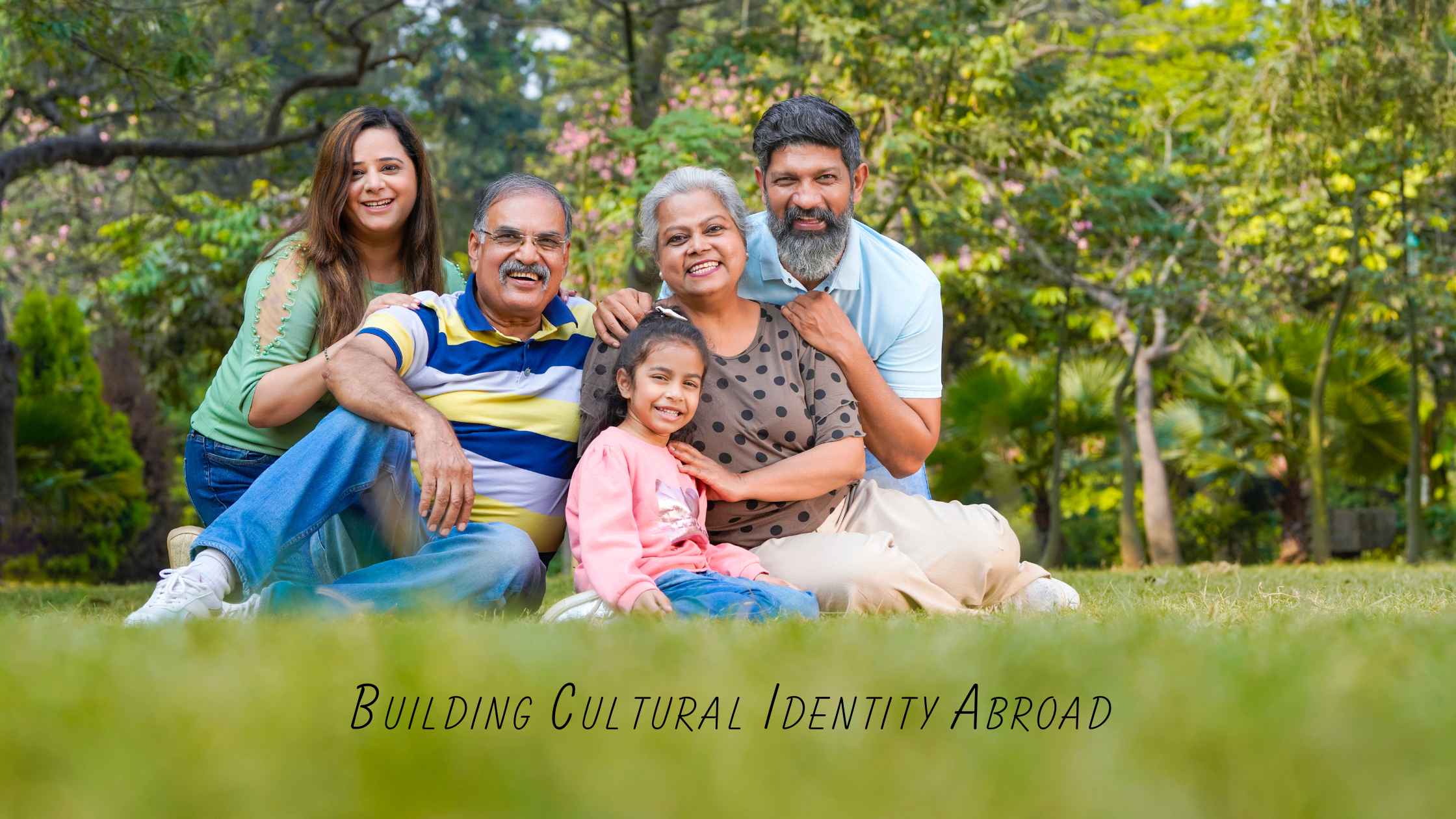
Living overseas or outside Maharashtra often means navigating two worlds. While English might be the language of school and work, the language spoken at home – Marathi – is the bridge that connects our children to their heritage, their grandparents, and their sense of self.
Passing down Marathi isn’t just about teaching grammar; it’s about building a robust cultural identity that thrives anywhere in the world.
More Than Just Words: The “Why” Behind the Language
Language is the vessel through which culture is delivered. When we lose the language, we often lose the nuances of the traditions it carries.
- Connecting Generations: There is a unique magic in a child being able to joke with their Aaji or Ajoba in their native tongue. It fosters a deep emotional bond that translations simply can’t capture. Encourage your kids to use these questions for their grandparents to practice what they’ve learned.
- A Sense of Belonging: For children raised abroad, “home” can feel like a complex concept. Knowing Marathi gives them a specific “tribe” and a sense of belonging to a history that spans centuries.
- Understanding the “Why” of Traditions: Marathi festivals like Gudhi Padwa or Ganesh Chaturthi carry stories. When children understand the Marathi terms and prayers, these rituals transform from “things we do” into “stories we live.”
Overcoming the “Complexity” Barrier
Many families struggle to pass down the language because traditional resources can feel overwhelming. The standard lunar calendar (Panchang), for example, is often difficult to navigate for those not fluent in the script.
 That is why tools like our 2026 Marathi Calendar are so vital. By translating traditional concepts into English while keeping the Marathi essence, we lower the barrier to entry. It allows families to:
- Track Festivals without confusion. – Understanding the ‘why’ behind Marathi festivals like Gudi Padwa deepens the cultural connection.
- Learn Vocabulary (like months and days) through daily repetition.
- Prepare with Ease using curated tips that fit a modern, global lifestyle.
Small Steps, Big Impact
You don’t need to be a linguist to pass down your heritage. Cultural identity is built in the small, everyday moments:
- Listen to Marathi songs in the car.
- Use Marathi greetings at the dinner table.
- Keep a Marathi calendar on the fridge to spark curiosity.
- If the script feels daunting, our beginner’s guide to Devanagari makes it easy to start.
By preserving Marathi, we aren’t just teaching a language; we are giving our children a compass that points back to their roots, no matter how far they wander.
Explore our beginner-friendly Marathi courses designed for global learners.
10 Essential Marathi Phrases for Global Kids
These phrases are simple, polite, and help build a natural rhythm for language learning at home.
| Phrase (English) | Marathi Script | Transliteration |
| How are you? | तू कसा/कशी आहेस? | Tu kasa (m) / kashi (f) ahes? |
| I am fine. | मी मजेत आहे. | Mi majet aahe. |
| I am hungry. | मला भूक लागली आहे. | Mala bhook lagli aahe. |
| Give me water. | मला पाणी दे. | Mala paani de. |
| What is this? | हे काय आहे? | He kaay aahe? |
| I love you. | माझे तुझ्यावर प्रेम आहे. | Mazhe tujhyavar prem aahe. |
| Thank you. | आभारी आहे / धन्यवाद. | Abhari aahe / Dhanyavaad. |
| Come here. | इकडे ये. | Ikade ye. |
| Very good! | खूप छान! | Khoop chaan! |
| Good night. | शुभ रात्री. | Shubh raatri. |
Making it Visual
To help your children (or your partner) connect these words to the physical world, you can use a simple “Language Tree” approach. Visualizing how language branches out from the “root” of the family helps children understand their identity.
Tips for Using These Phrases:
The “Switch” Game: Pick one hour a day (like dinner time) where you only use these Marathi phrases instead of English.
Post-it Notes: Stick the Marathi word for “Water” (Paanee) on the fridge or “Book” (Pustak) on the study table.
Celebrate Progress: Use “Khoop chaan!” (Very good!) liberally when they get a word right to build their confidence.
One thought on “Why Passing Down Marathi Matters: Building Cultural Identity Abroad”
Comments are closed.